
What does it take to challenge stereotypes, recognise discrimination, and stand up for others? Sometimes, it starts with asking questions, listening to different perspectives, and being willing to rethink what we believe.
On 2 October, the HateBusters workshop brought together students from boarding schools in Odsherred, Denmark, and Jaipur, India, to explore hate, discrimination, and inclusion.
Building on our Decode the Hate programme, the workshop encouraged young people to reflect on how stereotypes and exclusion affect our everyday lives and how we can all play a part in creating a more inclusive society.
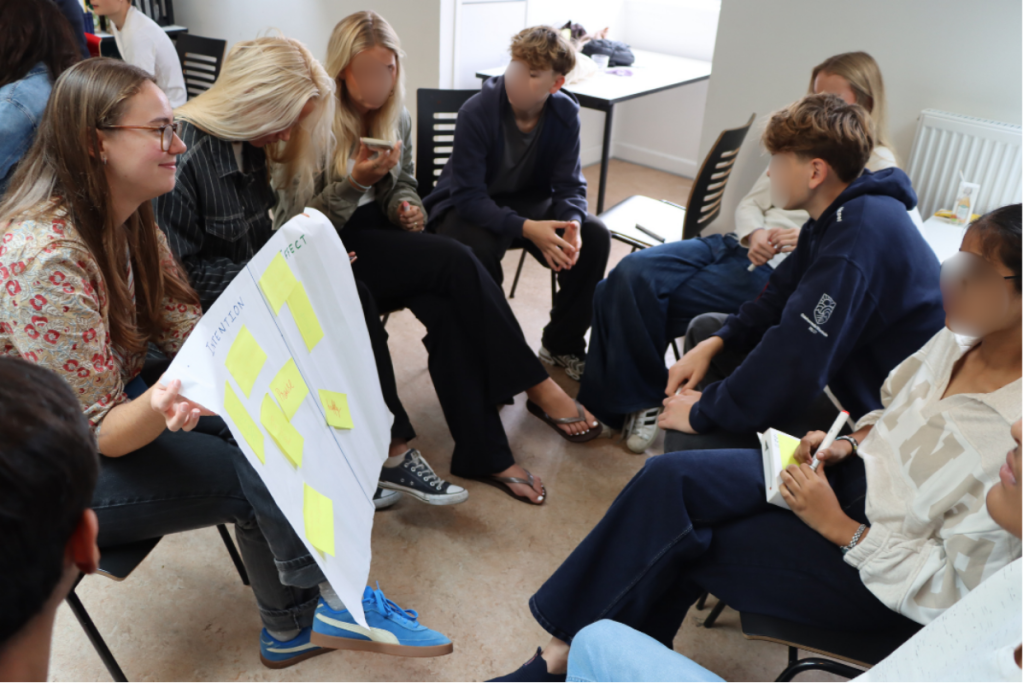
Learning by Doing
Rather than simply talking about discrimination, the workshop used interactive methods to get students thinking, sharing, and participating.
Through group activities, digital tools, and discussions, students were encouraged to reflect on their own perspectives and consider how others might experience the same situations differently.
The activities offered different ways to explore the topic, from reflecting on shared experiences to considering where the line between acceptable behaviour and discrimination might be drawn.
The aim was not to provide students with all the answers, but to create space for questions, reflection, and critical thinking. After all, understanding discrimination often begins with questioning our own assumptions.
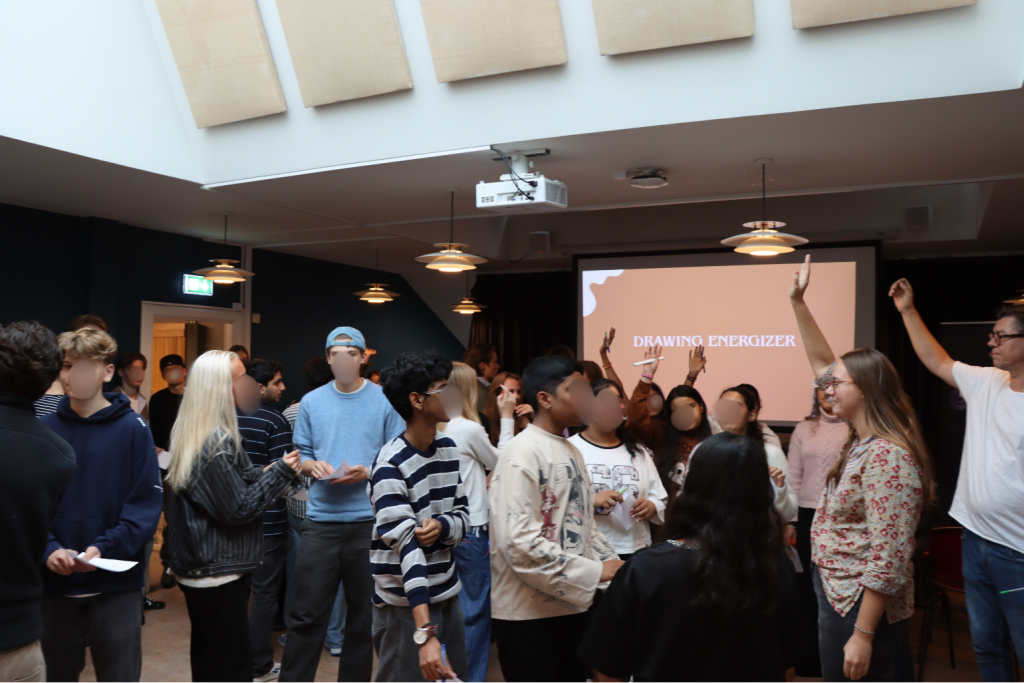
Looking Beyond Stereotypes
Stereotypes can influence how we see and treat others, sometimes without us even noticing. They can shape our expectations, create misunderstandings, and contribute to people feeling excluded.
Recognising these patterns is an important step towards challenging them.
During the workshop, students were encouraged to consider what discrimination can look like in everyday life and why different people might experience the same situation differently.
These conversations help young people look beyond first impressions and consider the impact of their words and actions. They also highlight the importance of listening to others, especially when their experiences differ from our own.
The Courage to Act
Recognising discrimination is one thing. Knowing what to do when we see it is another.
Speaking up can feel difficult, particularly when we are unsure how others will react. It might mean challenging an unfair comment, supporting someone who is being excluded, or choosing not to join in when others are being unkind.
Through HateBusters, young people are encouraged to develop their civic courage: the confidence to recognise harmful behaviour and take action.
Taking action does not have to mean making a big speech or confronting someone publicly. Sometimes, small gestures of support can make a real difference.
The important thing is to recognise that we are not powerless when we witness discrimination. We all have choices, and those choices can help shape the communities we live in.
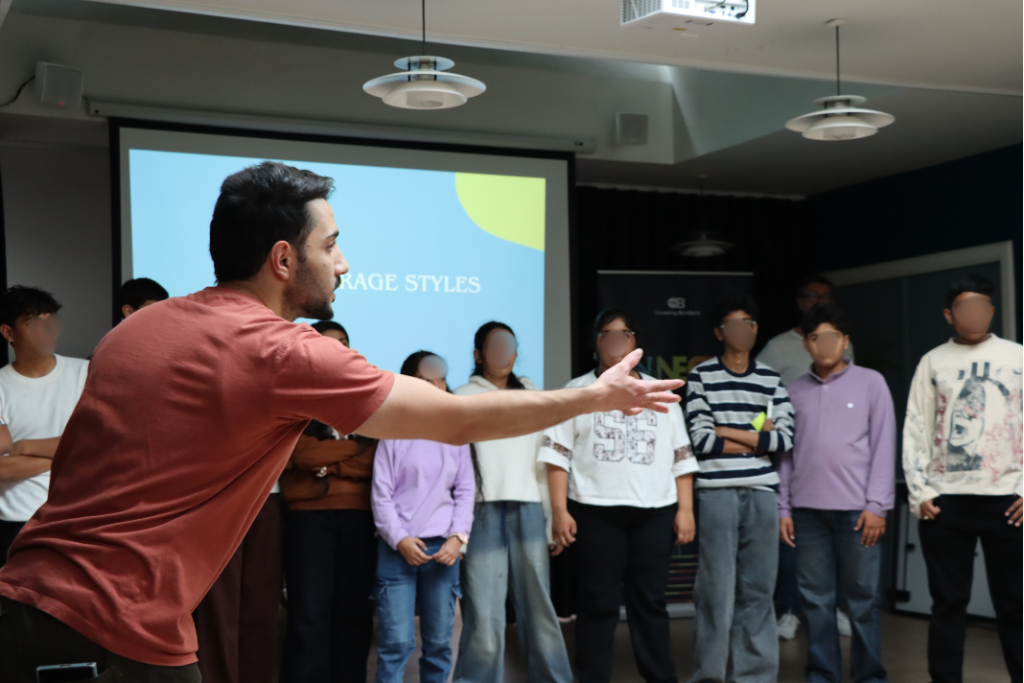
Different Countries, Shared Challenges
Bringing students from Denmark and India together added another perspective to the workshop. Although the students come from different backgrounds and live in different parts of the world, questions about fairness, respect, and belonging are relevant everywhere.
The international connection offered an opportunity to explore these shared challenges beyond the context of one country or school.
It also highlighted the value of exchanging perspectives. Challenging our assumptions starts with being willing to question them, and listening to different viewpoints can help us understand the world in new ways.
Because challenging hate starts with questioning assumptions, recognising discrimination, and having the courage to take actions.
